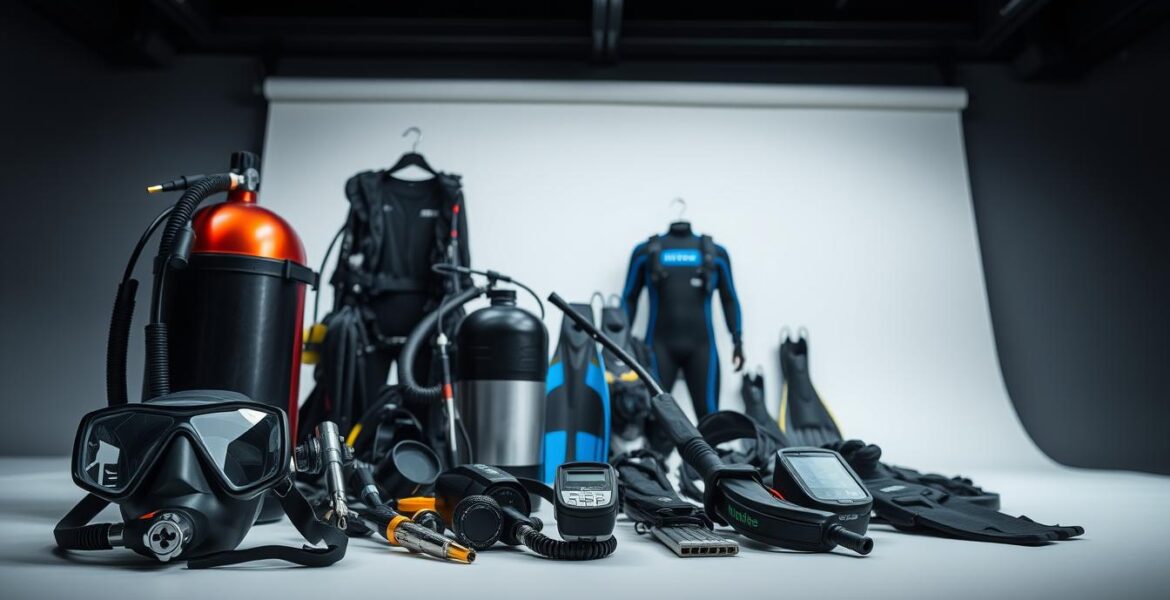
How to Choose the Right Scuba Diving Gear
Choosing scuba equipment can be hard, especially for newbies. There are so many choices, it’s easy to get lost.
Picking the right diving gear is key for a fun and safe dive. It’s a big deal that needs thought.
Buying your own gear lets you pick what you like and makes sure it fits right. This guide will help you choose the best scuba equipment.
Key Takeaways
- Understand the importance of selecting the right scuba diving gear.
- Learn how to make informed choices when buying scuba equipment.
- Discover the key factors to consider for a safe and enjoyable diving experience.
- Understand that scuba gear is a long-term investment.
- Gain insights into selecting gear that fits comfortably.
Understanding the Essentials of Scuba Diving Equipment
Knowing what scuba diving gear you need is key. The right stuff makes diving better and safer.
Core Equipment vs. Accessories
Scuba gear falls into two groups: core and accessories. Core equipment like masks, regulators, and BCDs are must-haves for safety. Accessories like dive lights and cameras make diving fun but aren’t as important for safety.
Safety Considerations for Equipment Selection
Always put safety first when picking scuba gear. A good mask and reliable regulator are essential. Think about comfort, durability, and how well it works with other gear. Tips from dive gear buying tips experts can help you choose wisely.
Rental vs. Ownership: When to Invest
| Equipment | Rental | Ownership |
|---|---|---|
| Masks, Fins | Ideal for beginners or occasional divers | Suitable for frequent divers; ensures a perfect fit |
| Regulators, BCDs | Recommended for travel or when trying new gear | Cost-effective in the long run; allows for customization |
Think about how often you dive and your budget when deciding to rent or buy. If you dive a lot, buying gear from best scuba gear brands can save money and make diving more comfortable and safe.
How to Choose Scuba Diving Gear Based on Your Experience Level
Knowing your diving experience is key to picking the right gear. Beginners, intermediate, and advanced divers need different things. Each level has its own needs and considerations.
Beginner Recommendations
For new divers, start with easy-to-use and comfy gear. Mask, snorkel, and fins are must-haves. Look for brands like Cressi and Mares for good beginner gear.
A mask that fits well and doesn’t leak is important. So is a snorkel that’s easy to hold in your mouth.
Intermediate Diver Considerations
As you get more experience, you might want to upgrade or add new gear. Intermediate divers should work on their buoyancy control. A better BCD and regulator can help.
Look for gear that’s flexible and can be adjusted, like fins. This can make diving better.
Advanced Diver Equipment Needs
Advanced divers need specialized gear for deeper dives. They might want technical BCDs and rebreathers. Look for gear that’s precise and reliable, like top-notch regulators and dive computers.
Technical Diving Gear Requirements
Technical divers need special gear for their dives. “Technical diving needs gear that fits your needs, like rebreathers and technical BCDs,” says a tech diver. This gear must be well-maintained and checked often for safety.
The best scuba gear matches your experience, plans, and likes. Knowing what you need based on your experience helps you choose the right gear.
Selecting the Perfect Mask, Snorkel, and Fins
Choosing the right mask, snorkel, and fins is key for a great dive. These items affect how comfortable and good you’ll be underwater.
Finding the Right Mask Fit
Finding a mask that fits well is very important. Think about your face shape and what kind of diving you’ll do. A mask that seals around your eyes and nose is a must.
Try out different masks to see which one feels best.
Snorkel Types and Features
There are many snorkel types, like traditional, semi-dry, and dry snorkels. Dry snorkels are great for swimming on the surface in rough water. They keep water out of the tube.
Think about what features you need, like purge valves and splash guards.
Choosing Fins for Different Diving Styles
Fins are very important for scuba diving. The right fins depend on how you dive. For recreational diving, fins that are both powerful and comfy are best.
Open-Heel vs. Full-Foot Fins
Open-heel fins adjust and are good for different water temperatures. You can wear them with booties. Full-foot fins fit snugly and are best for warm water. Think about your diving place when picking.
Diving Exposure Suits: Wetsuits, Drysuits, and Rashguards
Exposure suits are key for scuba diving. They keep you warm in cold water. You need to pick the right one based on the water, your dive, and what you like.
Understanding Exposure Protection Needs
Keeping warm is important while diving. You must know the water’s temperature and conditions. Then, you can choose the best suit for you.
Wetsuit Thickness and Materials
Wetsuits are great for diving. They keep you warm and are flexible. The suit’s thickness and material matter a lot. Neoprene is the most used material, coming in 3mm to 7mm thickness.
| Wetsuit Thickness | Water Temperature | Flexibility |
|---|---|---|
| 3mm | Warm water (above 75°F) | High |
| 5mm | Moderate water (65-75°F) | Medium |
| 7mm | Cold water (below 65°F) | Low |
When to Choose a Drysuit
Drysuits are best for very cold water. They keep you very warm. But, they are harder to use and need more training.
Accessories: Hoods, Gloves, and Boots
Wearing hoods, gloves, and boots helps keep you warm. Pick them based on your dive and suit.
Knowing about different exposure suits helps divers choose well. This makes diving safer and more fun.
Buoyancy Control Devices (BCDs): Styles and Features
It’s key to know about Buoyancy Control Devices for divers. BCDs help control buoyancy underwater. This makes diving safer and more fun.
Jacket vs. Back-Inflation BCDs
Divers pick between jacket-style and back-inflation BCDs. Jacket-style BCDs are comfy and versatile. They have a traditional design with a weight pocket.
Back-inflation BCDs are sleeker. They help divers move better underwater. They’re great for technical diving.
- Jacket-style BCDs: Comfortable, versatile, and suitable for most diving needs.
- Back-inflation BCDs: Streamlined, ideal for technical diving or maintaining a trim dive posture.
Weight Integration Systems
Modern BCDs have weight integration. This lets divers get rid of weights fast in emergencies. Look for BCDs with weight pockets or systems.
Travel-Friendly BCD Options
Traveling divers need BCDs that are easy to carry. Look for compact designs or those with travel bags. Some BCDs are made to be more portable.
Popular BCD Brands and Models
Many top brands make great BCDs. They meet different diving needs and budgets. Some of the best brands are:
- Scubapro
- Mares
- Cressi
- Oceanic
When picking a BCD, compare models. Think about comfort, durability, and features. This helps divers choose the best for their dives.
Regulators and Breathing Systems
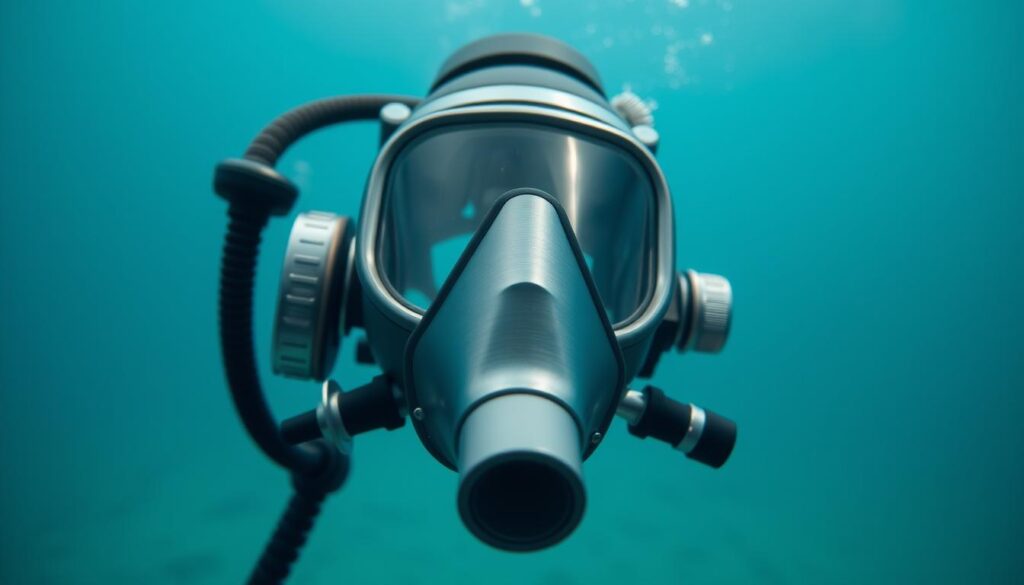
Regulators are key in scuba diving. They give air to divers at the right pressure. The right regulator depends on the dive conditions and how complex you want it.
First and Second Stage Considerations
The regulator has two main parts: the first stage and the second stage. First-stage regulators lower tank pressure. Second-stage regulators give air at the right pressure for breathing.
- First-stage regulators come in piston and diaphragm types, each with benefits.
- Second-stage regulators focus on comfort and easy breathing, with features like purge buttons and knobs.
Cold Water vs. Warm Water Regulators
The water temperature affects your regulator choice. Cold water regulators keep air flowing in cold water. Warm water regulators are simpler and less expensive for warmer dives.
Octopus and Air Integration Options
An octopus regulator is a backup in air-sharing emergencies. It lets a buddy breathe from it. Air integration systems link your regulator with a dive computer. They show air pressure in real-time, helping with dive planning and safety.
Regulator Maintenance and Service Intervals
Keeping your regulator in good shape is key. It should be serviced annually. This includes cleaning, checking, and replacing parts. Good care means your regulator works well, dive after dive.
“A well-maintained regulator is a diver’s best friend, providing a safe and enjoyable diving experience.”
Knowing about regulators and breathing systems helps divers choose the right gear. This ensures a safe and fun dive.
Dive Computers and Instruments
Dive computer tech has made diving better. It shows depth and safe limits in real time. Dive computers are key for safe diving, helping avoid sickness.
Features and Mounting Options
Dive computers have many features. Some just track time and depth. Others have GPS, compass, and air info.
Choose a computer based on your diving type.
Basic vs. Advanced Features
Basic computers show dive time, depth, and safe limits. Advanced ones have more, like gas support and dive logging.
Wrist-Mounted vs. Console Computers
Computers can be worn on the wrist or mounted on a console. Wrist ones are good for solo divers. Console ones fit with other tools.
Additional Instruments to Consider
More tools can make diving safer and more fun. Think about compasses, depth gauges, and underwater watches.
Top Dive Computer Brands and Models
Top brands include Suunto, Cressi, and Mares. The Suunto D5 and Cressi Leonardo are great choices. Look for easy use, long battery life, and gear compatibility.
Scuba Tanks, Valves, and Air Systems
Choosing the right scuba tanks, valves, and air systems is key for divers. They affect both safety and how well you dive. Scuba tanks hold the air we breathe underwater, making them crucial.
Aluminum vs. Steel Tanks
Scuba tanks can be made of aluminum or steel. Aluminum tanks are more common and good for most dives. Steel tanks hold more air and last longer, great for deep dives. Your choice depends on how often you dive, how deep, and what you like.
Tank Sizes and Capacity Considerations
Tank size and how much air they hold are very important. Bigger tanks mean longer dives but are heavier. You need to think about how much air you need and how easy it is to carry.
Valve Types and Options
Scuba tank valves control air flow and come in types like standard valves and high-flow valves. The right valve depends on your regulator and how you dive.
Tank Inspection and Maintenance Requirements
Keeping scuba tanks in good shape is very important for safety. Tanks need to be checked every year and tested every few years. As a diving expert says, “Taking care of your scuba tank is not just about safety. It’s about having a reliable air supply.”
“The integrity of your scuba tank is directly related to your safety underwater. Never compromise on inspections and maintenance.”
Knowing about different scuba tanks, valves, and maintenance is key. It helps divers make smart choices when buying diving gear.
Budget Considerations and Where to Buy Quality Gear
Choosing the right scuba diving equipment doesn’t have to be expensive. Knowing what you need is important. It’s all about finding the right balance between what you want and what you can afford.
Prioritizing Your Purchases
As a diver, you need to know what’s most important. Mask, regulator, and BCD are key. They affect your safety and how well you dive.
New vs. Used Equipment
Should you buy new or used scuba gear? It depends on your budget and what you prefer. New gear has the latest tech and a warranty. But, used gear can save you money.
Reputable dive shops sell pre-owned gear that’s been checked. It’s a good choice for those watching their budget.
Reputable Retailers and Manufacturers
It’s important to buy from reputable retailers and manufacturers. They offer quality products and support. They also give advice and warranties.
Choose shops that focus on diving gear. They know what you need better.
Seasonal Sales and Package Deals
Watch for seasonal sales and package deals. They can help you save money. Many shops offer bundles that are cheaper than buying each item separately.
Sign up for newsletters and follow your favorite dive shops on social media. This way, you’ll know about sales before they happen.
Conclusion: Building Your Ideal Scuba Gear Collection
Building a scuba diving gear collection takes time and effort. You need to do research and think about what you need and like. Knowing the basics of scuba gear helps a lot.
Choosing the right gear is important. Think about your skill level and how much you want to spend. Also, think about where you’ll dive.
When picking out gear, follow some tips. Look for quality, think about renting, and ask experts for advice. Good gear makes diving safer and more fun.
Don’t rush when picking out your gear. Get help from trusted stores like Cressi, Mares, or Scubapro. They can guide you to the best gear for you.
With the right gear, your diving trips will be amazing. Enjoy your underwater adventures!