How to Style Vintage Outfits: Tips and Tricks
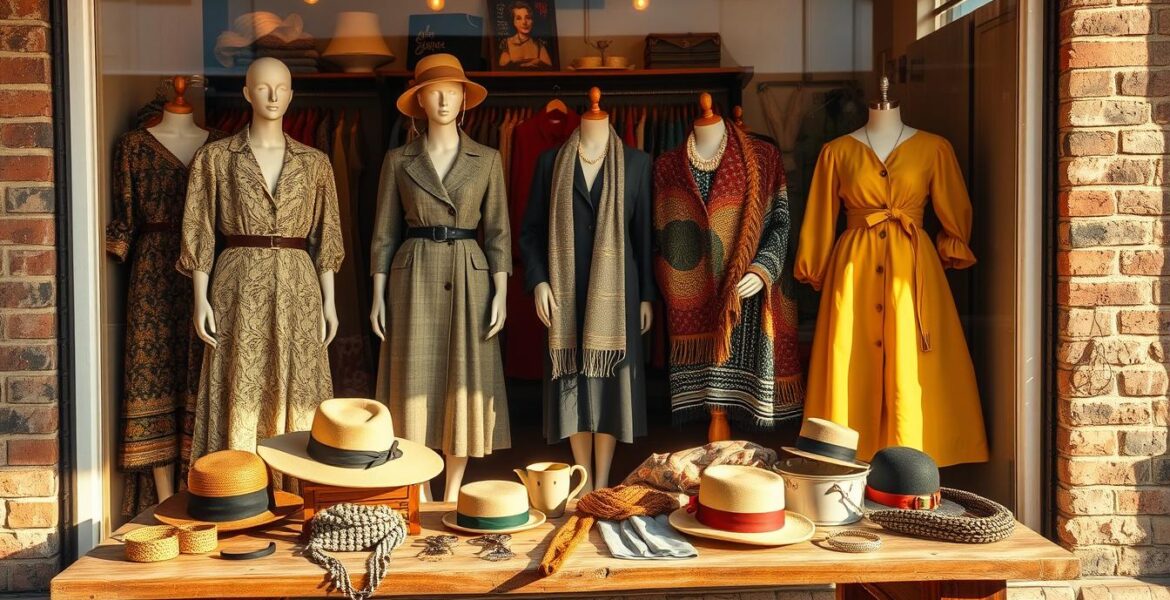
Creating a unique look with vintage clothing is fun and rewarding. But, it can be hard to mix vintage with modern clothes. The trick is to blend them to look stylish and new.
With the right tips, you can make how to style vintage outfits that show off your style. By mixing old and new, you get a look that’s all yours.
Key Takeaways
- Mixing vintage with modern clothing creates a unique look.
- Understanding different eras helps in styling vintage outfits.
- Accessorizing is key to completing a vintage look.
- Vintage clothing can be incorporated into everyday wear.
- Experimenting with different combinations is encouraged.
Decoding Vintage Fashion Through the Decades
Exploring vintage fashion means looking at each decade’s unique style. This helps us appreciate the history and skill in each piece. It’s key for adding vintage items to our wardrobes.
What Qualifies as “Vintage” vs. “Retro” or “Antique”
“Vintage,” “retro,” and “antique” mean different things. Vintage clothes are 25 to 100 years old. Retro clothes are inspired by the past but newer. Antique items are over 100 years old. Knowing these helps us understand vintage fashion better.
Iconic Fashion Elements from the 1920s-1990s
Every decade from the 1920s to the 1990s had its own fashion. Here are some key ones:
- 1920s: Flapper dresses, suits with wide shoulders
- 1950s: Full skirts, fitted waists, and the “New Look”
- 1960s: Mod styles, shift dresses, and go-go boots
- 1980s: Shoulder pads, leather jackets, and big blazers
Signature Silhouettes and Fabrics
Each era had its own shapes and materials. The 1950s loved silk and satin. The 1960s went for synthetic fabrics and bold prints. Shapes changed too, from curvy in the 1950s to more androgynous in the 1920s and 1980s.
Color Palettes and Patterns by Era
Colors and patterns changed a lot over the years. The 1920s and 1930s liked rich colors. The 1960s were all about bright, bold ones. Patterns went from Art Deco’s geometric to the 1960s and 1970s’ psychedelic prints. Using these can make your retro outfit ideas more real.
Sourcing Authentic Vintage Treasures
Authentic vintage items are loved by fashion lovers. Knowing where to find them is key. It helps build a stylish wardrobe.
Curated Vintage Shops vs. Thrift Stores vs. Estate Sales
There are many places to find vintage treasures. Curated vintage shops have high-quality items. They focus on certain eras or styles.
Thrift stores have a mix of items. You need to find the gems. Estate sales let you buy items from someone’s estate. They often come with history.
Starting at thrift stores is good for beginners. It helps you learn about quality and style. For better choices, try vintage boutiques. An expert says estate sales are great for rare finds.
Navigating Online Vintage Marketplaces
Online marketplaces make buying vintage easy. Sites like eBay, Etsy, and vintage stores have lots of items. Always check the descriptions, measurements, and photos for authenticity.
- Research the seller’s ratings and reviews
- Carefully review item descriptions and photos
- Understand the return and refund policies
Authenticating Vintage Items: Labels, Construction, and Materials
Authenticating vintage items takes knowledge and experience. Look at labels and tags for clues. Then, check the construction and materials. Vintage items often have quality materials and workmanship.
If unsure, ask a vintage expert or a conservator. These steps help you find real vintage treasures for your wardrobe.
How to Style Vintage Outfits: Essential Techniques
Styling vintage outfits is all about mixing pieces that show your style. You need to know how to mix old and new to look good today.
Matching Vintage Styles to Your Personal Aesthetic
When you add vintage to your wardrobe, match it with your style. Find what you like, like the 1950s elegance or 1970s boho. Then, mix these with your clothes for a cool look.
For example, a 1960s dress looks great with today’s accessories. This mix makes the old piece feel new and fun.
Working with Vintage Proportions and Your Body Type
Vintage clothes have different shapes than today’s. To look good, know how to match these shapes with your body. For instance, a loose top works with a tight bottom to look balanced.
Creating Cohesive Color Stories with Vintage Pieces
It’s important to have a color story with vintage outfits. Vintage clothes have special colors that can be hard to match. Pick a main color from the vintage piece and build your outfit around it.
| Vintage Era | Common Colors | Modern Pairing Suggestions |
|---|---|---|
| 1920s | Rich jewel tones, metallics | Pair with neutral modern pieces to let the vintage colors shine. |
| 1950s | Pastels, bold reds | Combine with modern black or white pieces for a classic look. |
| 1970s | Earth tones, bright patterns | Mix with modern earthy tones or neutral colors to create a harmonious look. |
Learning these techniques helps you make vintage outfits that show your style. Whether you mix old with new or go all vintage, the most important thing is to have fun and try new things.
Era-Specific Styling Approaches
Styling clothes from different eras is key to making your vintage clothes shine. Each decade has its own fashion, from the elegant 1900s to the bold 1980s. Knowing these styles helps you create looks that are both real and exciting.
Pre-1950s: Structured Elegance and Classic Tailoring
The pre-1950s were all about classic looks and elegance. Women wore dresses with tight waists and full skirts. To style these, highlight the waist with a belt or a fitted dress. Add vintage accessories like gloves and hats to finish the outfit.
1950s-1960s: From New Look to Mod Revolution
The 1950s and 1960s were big changes in fashion. The New Look made women look feminine, while Mod brought bold prints and simple dresses. To style these, mix textures and patterns, like a Mod dress with a textured cardigan.
1970s: Bohemian Flair and Disco Glamour
The 1970s were all about free spirit and disco. Maxi dresses, bell-bottoms, and big shoes were big. To get the 1970s look, layer tops over pants or skirts. Don’t forget big accessories like layered necklaces or big sunglasses.
1980s-1990s: Power Dressing and Grunge Influences
The 1980s and 1990s were about strong looks and grunge. The 1980s had big shoulders and bright colors, while the 1990s were more laid-back. To style these, use bold pieces like bright blazers or big jewelry. Then, balance them with simple clothes.
| Era | Key Fashion Elements | Styling Tips |
|---|---|---|
| Pre-1950s | Structured elegance, classic tailoring | Accentuate the waist, use vintage accessories |
| 1950s-1960s | New Look, Mod style | Mix textures and patterns, pair fitted dresses with cardigans |
| 1970s | Bohemian flair, disco glamour | Layer flowy tops, add statement accessories |
| 1980s-1990s | Power dressing, grunge influences | Incorporate bold elements, balance with basics |
Blending Vintage with Contemporary Fashion
To look stylish, mix old with new. This makes your outfit balanced and cool. It also makes your style stand out.
The One-Third Rule: Balancing Vintage and Modern
The one-third rule is a great way to mix old and new. It says one-third of your outfit should be vintage. The other two-thirds should be modern.
This keeps the old pieces from taking over. For example, wear a vintage blouse with modern jeans and a jacket. This way, the vintage piece shines, and the modern bits support it.
Pairing Vintage Statement Pieces with Minimalist Basics
Vintage pieces can make a simple outfit pop. Pair bold, vintage items with simple clothes for a chic look.
Like, a vintage brooch can make a white shirt and jeans fancy. A vintage handbag can also spice up a modern little black dress.
Modernizing Vintage Through Styling and Alterations
Styling and altering vintage items can make them modern. Simple tweaks, like changing the fit or adding new accessories, can update them.
For example, getting a vintage dress tailored can make it fit better. Wearing a vintage top with modern jeans can also give it a new look.
Using these methods, you can mix vintage with modern. This creates a unique style that’s both old and new.
The Art of Vintage Accessorizing
Vintage accessorizing is about finding the right mix of old and new. It’s about making your outfit stand out. The right accessories can turn a simple look into something amazing.
Selecting Era-Appropriate Jewelry and Adornments
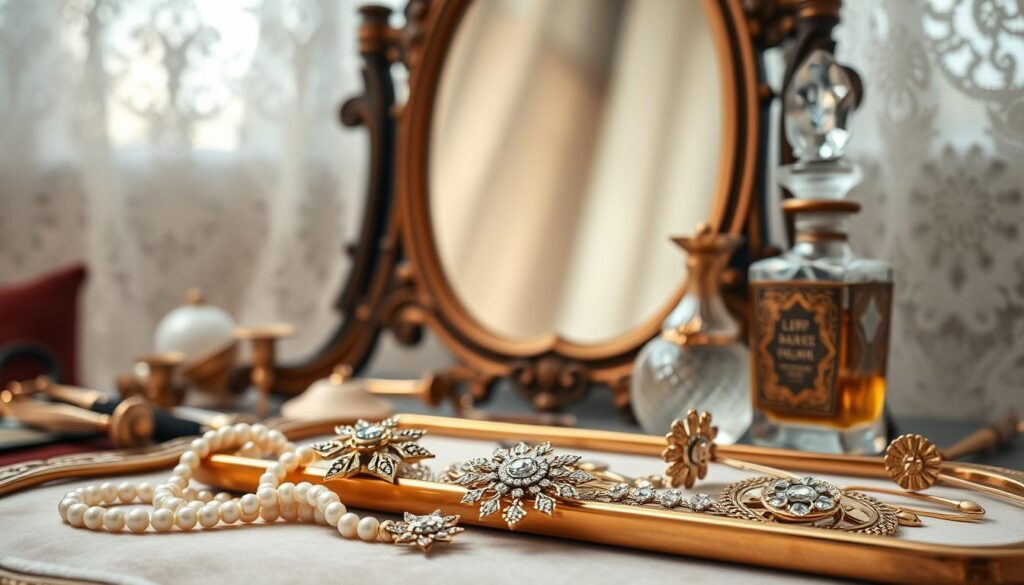
Jewelry is key in vintage accessorizing. The right jewelry can make your outfit feel real. For example, the 1920s loved Art Deco jewelry with its shapes and metals.
The 1980s, on the other hand, were all about big, bold accessories. Mixing old and new jewelry can make your outfit interesting. Try pairing a vintage necklace with modern earrings.
Vintage Handbags, Footwear, and Headwear
Vintage bags, shoes, and hats can also make your outfit special. Think about the era of your clothes when choosing these items. For instance, a 1950s dress goes well with 1950s handbags and shoes.
| Era | Handbag Style | Footwear Style |
|---|---|---|
| 1920s | Beaded or metallic clutch | Mary Janes or T-strap shoes |
| 1950s | Structured handbag with handle | High heels or kitten heels |
| 1980s | Oversized shoulder bag | High-heeled ankle boots or sneakers |
Using Accessories to Transform Simple Vintage Outfits
Accessories can turn a simple outfit into something amazing. Add a big piece of jewelry, a vintage hat, or unique shoes. The right accessories can make your outfit special and stylish.
“The right accessories can make a vintage outfit truly unforgettable.”
Mastering vintage accessorizing can take your wardrobe to the next level. You can create outfits that are truly timeless.
Preserving Your Vintage Investment
Keeping vintage clothes in good shape is important. They are valuable for their looks and history. They also show great craftsmanship.
Fabric-Specific Cleaning and Care Techniques
Each fabric needs its own cleaning method. Silk and wool need gentle care, often dry cleaning or hand washing. Cotton and linen can usually go in the machine on a gentle cycle. But, always check the fabric and any care labels first.
Cleaning Techniques for Delicate Fabrics:
| Fabric Type | Recommended Cleaning Method | Special Considerations |
|---|---|---|
| Silk | Dry cleaning or hand wash | Avoid harsh detergents |
| Wool | Hand wash or dry cleaning | Use cold water |
| Cotton/Linen | Machine wash gentle cycle | Check for any specific labels |
Proper Storage Solutions for Delicate Vintage Items
Storing clothes right is key to keeping them in good shape. Keep them in a cool, dry spot, away from sunlight. Use breathable bags like cotton or muslin to stop moisture and damage.
Working with Specialists for Repairs and Restoration
For big repairs or restoration, get help from experts in vintage clothes. They know how to fix your clothes well, making them look and last great.
By following these tips, you can make your vintage clothes last longer. This way, you can keep their beauty and history alive.
Curating a Functional Vintage Wardrobe
Creating a vintage wardrobe means picking timeless pieces. These can be mixed and matched easily. It makes your style better and helps the planet.
Versatile Vintage Foundation Pieces
A good vintage wardrobe starts with key pieces. These should be versatile and high quality. They should work for many outfits.
Day-to-Night Vintage Staples
Getting items like a 1950s cocktail dress or an 1980s blazer is smart. They can change from day to night with the right accessories.
Season-Spanning Vintage Items
Items like a 1960s coat or 1970s jeans are great. They last through many seasons, saving you money.
Building Vintage Capsule Collections by Era or Style
Focus on one era or style for your vintage collection. For example, 1920s flapper dresses or 1990s grunge attire can make a statement.
Mixing pieces from different times can lead to cool outfits. It gives you vintage fashion inspiration for a long time.
Vintage Styling Pitfalls and How to Avoid Them
To look great in vintage clothes, knowing common mistakes is key. Styling vintage clothes needs careful thought to avoid these errors. They can ruin your outfit’s look.
The Costume Effect: When Vintage Goes Wrong
The “costume effect” happens when your outfit looks like a costume. This is when too many vintage pieces clash. To fix this, mix vintage with modern clothes.
For example, pair a vintage blouse with modern jeans. Or, wear a vintage skirt with a modern top. This creates a balanced, stylish look.
Fit Issues and Alteration Solutions
Finding the right fit in vintage clothes is hard. They were made for different body types and sizes than today. To solve this, get your vintage clothes altered by a pro.
Small changes, like hem adjustments or seam tucks, can help a lot. Learning to do simple alterations yourself is also helpful. It makes your vintage clothes fit better.
Navigating Problematic Vintage and Cultural Sensitivity
Some vintage items might be culturally sensitive or problematic. They were made in times with different values. When using vintage pieces, be careful of these issues.
Stay away from items that could be seen as insensitive or appropriative. Choose pieces that are historically or aesthetically significant. Be thoughtful about how you style them.
Conclusion
Wearing vintage clothes is more than just fashion. It’s about telling your story through what you wear. By adding vintage pieces to your outfits, you stand out. You can find these pieces by thrifting or shopping at curated vintage shops.
To style vintage outfits well, mix old pieces with new ones. This mix makes your look both old and new. Try out different styles and eras to find what suits you best. Vintage styling is all about having fun and showing who you are.
Keep exploring vintage fashion with confidence and creativity. Dive into vintage treasures and show off your unique style. Get ready to make a statement with your outfits.